The Missing Piece in Trauma Recovery: What We Eat
There’s something I’ve been sitting with lately that I can’t quite shake.
Could we discuss for a moment why there is so little discussion at the national level about what we consume following trauma, particularly during recovery?
There is a lot of focus on therapy, medications, and coping strategies. And all of that matters. It truly does. But nutrition, what we are putting into our bodies every single day, often feels like an afterthought.
And yet, when the body is living in a constant state of stress, everything shifts. Sleep becomes inconsistent. Energy drops. Digestion changes. Even emotional responses feel different. The body is working overtime just to keep up, yet the conversation around food often stays at surface-level advice.
Living this life on the farm has changed my perspective in a very real way.
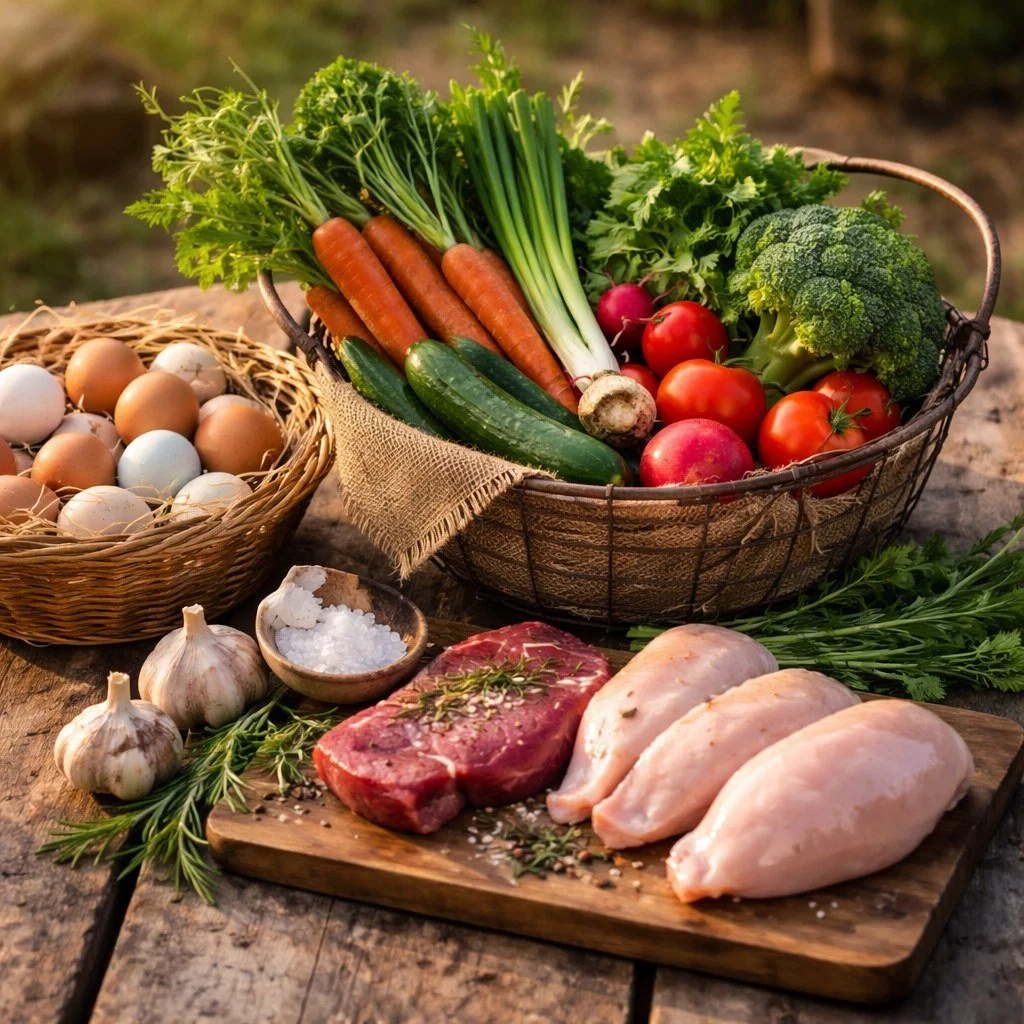
When you raise your meat, grow your own vegetables, and are hands-on through the entire process, food stops being something quick or convenient. It becomes something you understand. Something you respect. You start to realize that your consumption either benefits your body or exacerbates an already strained system.
And to be clear, raising your food is not the point. Not everyone can or should do that. What stands out most is the gap. The gap between what people are going through and the support they have. What would recovery look like if we gave more attention to that piece? Not in a complicated or overwhelming way, but in a way that feels practical, supportive, and doable in real life. Simple shifts. Real food. Gentle support for a body that has already been through so much. This topic is something I keep coming back to, both in my life and in my studies.
And I can’t help but wonder…